Welcome to Ethennonnhawahstihnen’ Childcare Centre!
Ethennonnhawahstihnen’ Childcare Centre is a non-profit, licensed childcare provider situated within the Ethennonnhawahstihnen’ Community Recreation Centre. We are licensed by the Ministry of Community and Social Services and have a Service Contract with Toronto Children’s Services, which enables us to offer subsidized childcare to qualifying families.
Our program is grounded in the provincially recognized pedagogical framework for early childhood education: How Does Learning Happen? (HDLH). This approach informs our belief that every child has tremendous potential and deserves enriching experiences each day that nurture their growth and development.
Programs
Infants, Toddlers and Preschoolers
Opening hours
7:30 a.m. to 6:00 p.m.
Communication
Programs
Infant (6 weeks to 18 months)
A nurturing, play-based infant program where secure relationships, gentle routines, and music, movement, and storytelling support your baby’s earliest growth.
Our Infant Program provides a warm, safe, and responsive environment where babies are cared for with consistency, affection, and individualized attention. Educators build strong, trusting relationships with each child, supporting emotional well-being while creating meaningful early learning experiences.
Class Capacity: 10 infants
Ratio: 1 educator for every 3 children
Each infant room is supported by three educators, with at least two qualified or recognized educators present at all times. All staff hold First Aid and CPR certification and have completed a criminal background check.
Developmental Focus Areas
- Secure Attachments & Emotional Well-Being
Responsive caregiving fosters trust, comfort, and a strong sense of security. - Sensory Exploration
Safe, age-appropriate sensory experiences support curiosity and early brain development. - Physical Development
Tummy time, crawling, reaching, and supported movement strengthen gross and fine motor skills. - Language & Early Communication
Daily conversations, singing, and responsive interactions encourage early language development. - Individual Routines & Self-Regulation
Care routines are guided by each infant’s feeding, sleeping, and comfort needs, supporting healthy self-regulation.
Curriculum Highlights
- Dance & Movement
Gentle movement and body awareness activities support coordination, balance, and physical confidence. - Music Program
Singing, rhythm, and musical play nurture auditory development, emotional expression, and early communication. - Storytelling & Early Literacy
Daily storytelling using board books, puppets, songs, and visuals builds vocabulary, listening skills, and a love of books from an early age.
 |
 |
 |
 |
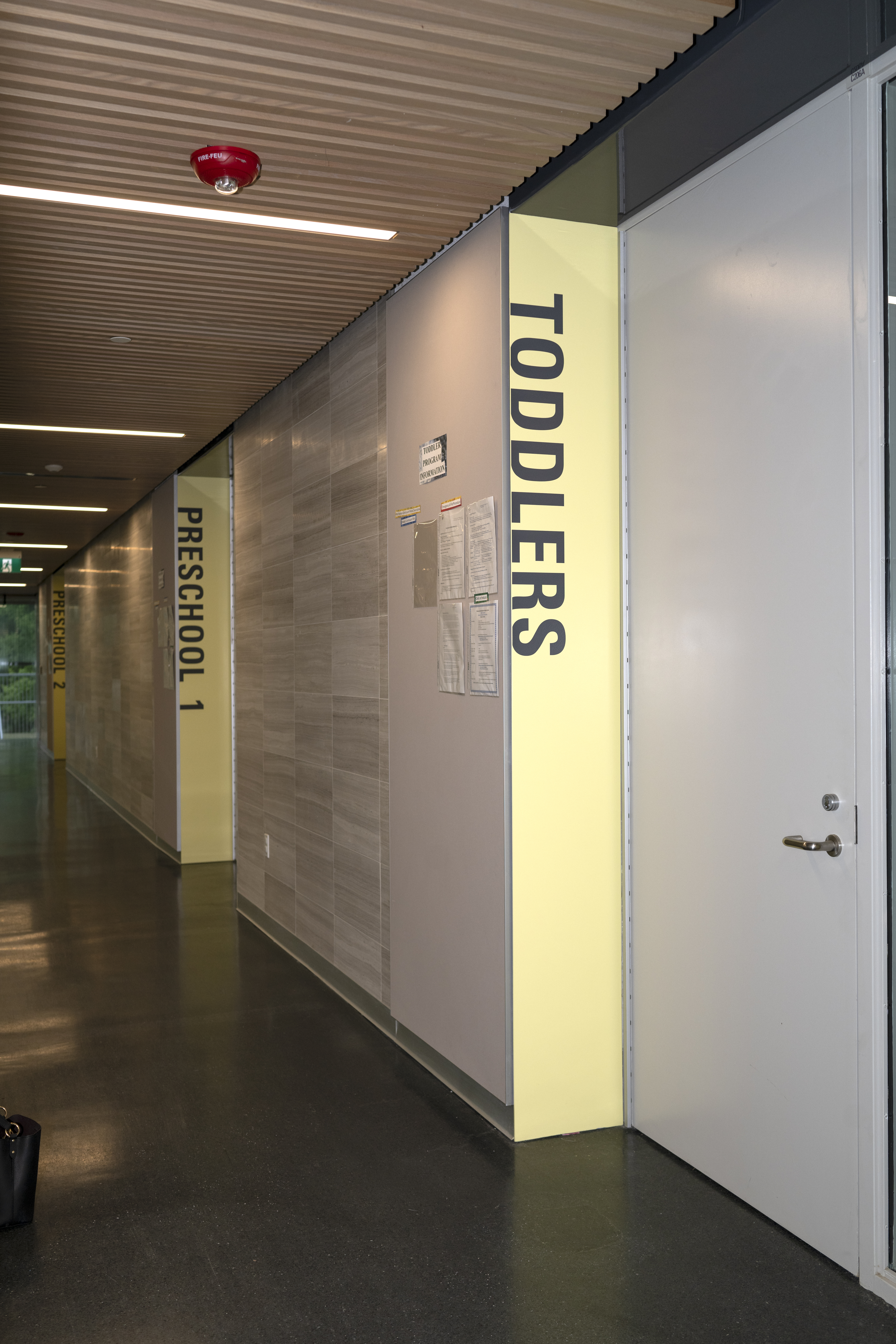
Toddlers (18 months to 30 months)
Class Capacity
10 toddlers
Staffing Ratio
1 educator for every 5 children
Each toddler classroom is supervised by a minimum of two educators, with at least one educator qualified or recognized in accordance with regulatory requirements. All staff members hold valid First Aid and CPR certification and have successfully completed a criminal background check.
Areas of Development
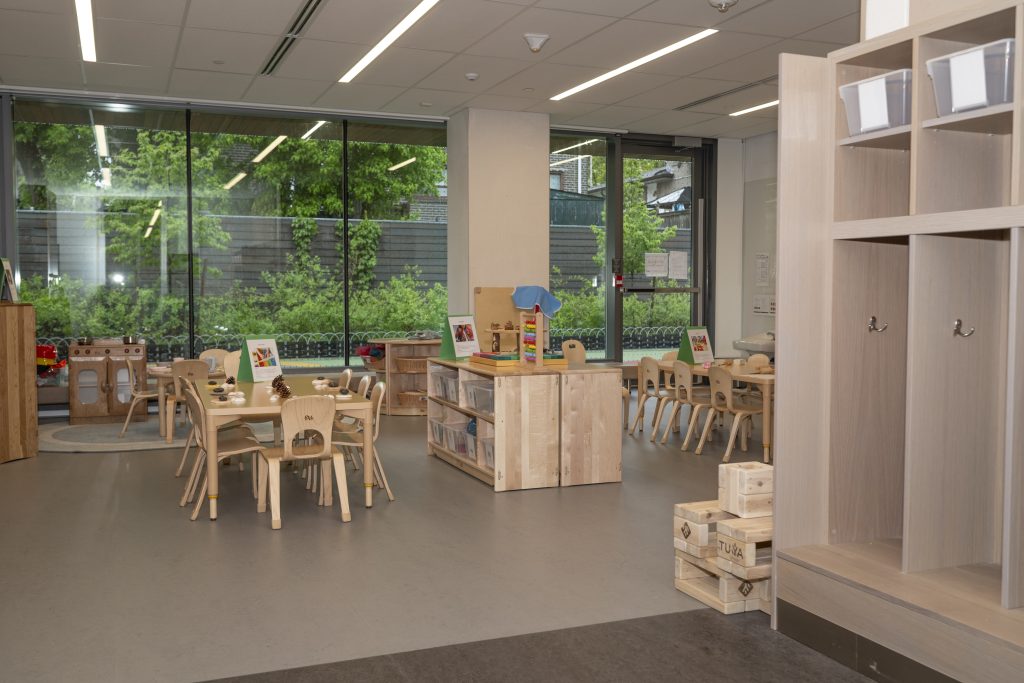
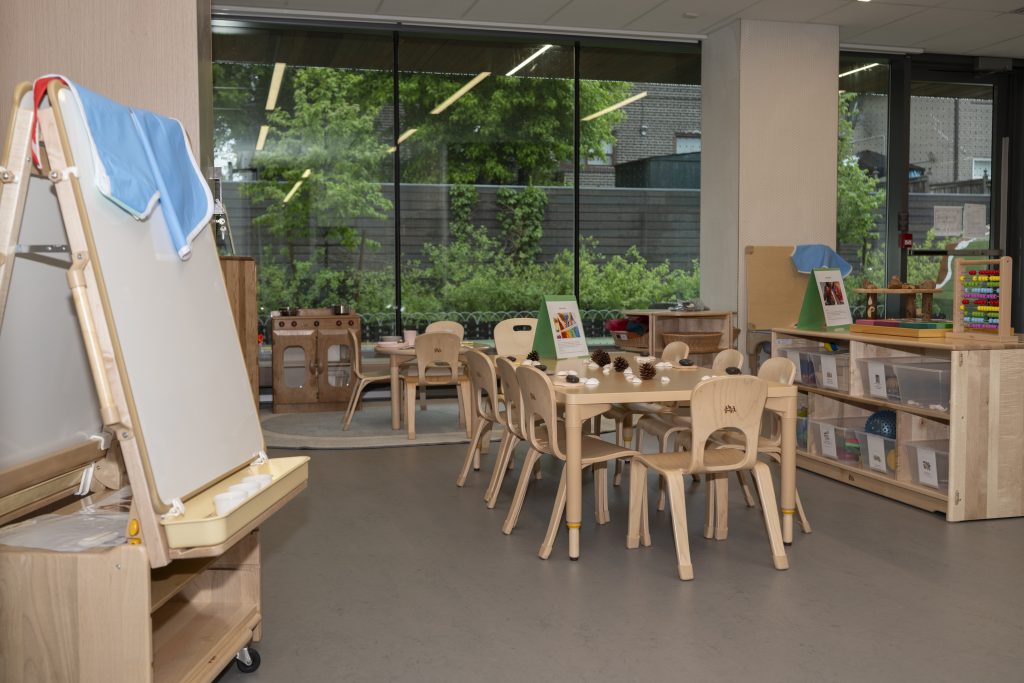
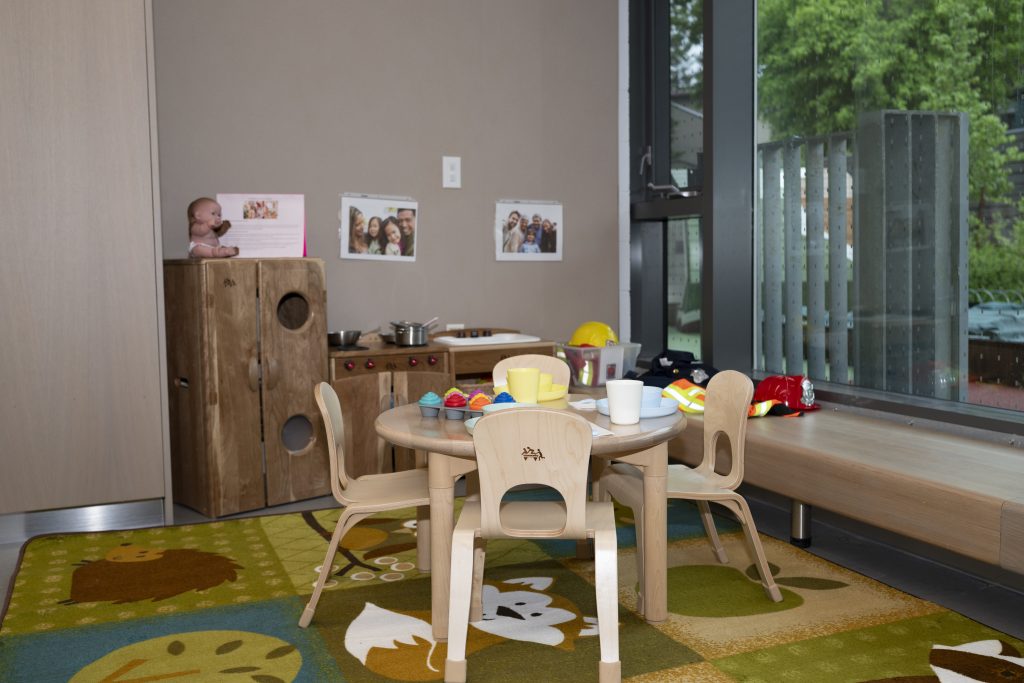
Toddlers learn best through relationships and interactions within small groups. Our toddler classrooms are intentionally structured to support meaningful connections, allowing children to build relationships, develop social understanding, and learn alongside their peers in a nurturing environment.
As toddlers strive for independence, our educators design programs that respect and support each child’s individuality. Key learning outcomes in the toddler program include:
- Language development
- Socialization and peer interaction
- Self-help and emerging independence skills
- Fine motor development and hand–eye coordination
Language development is encouraged throughout the day through intentional conversations with educators, the use of labels, and repetition of emerging vocabulary. These practices support communication skills and help toddlers grow into confident and capable learners.
Music and Movement
Our program includes a physical education and movement component designed for children six years of age and under. This program provides a fun, safe, and non-competitive environment that supports the development of gross motor skills, balance, coordination, and body awareness. Through active play and movement, children are encouraged to develop a lifelong enjoyment of physical activity.
Storytelling Program
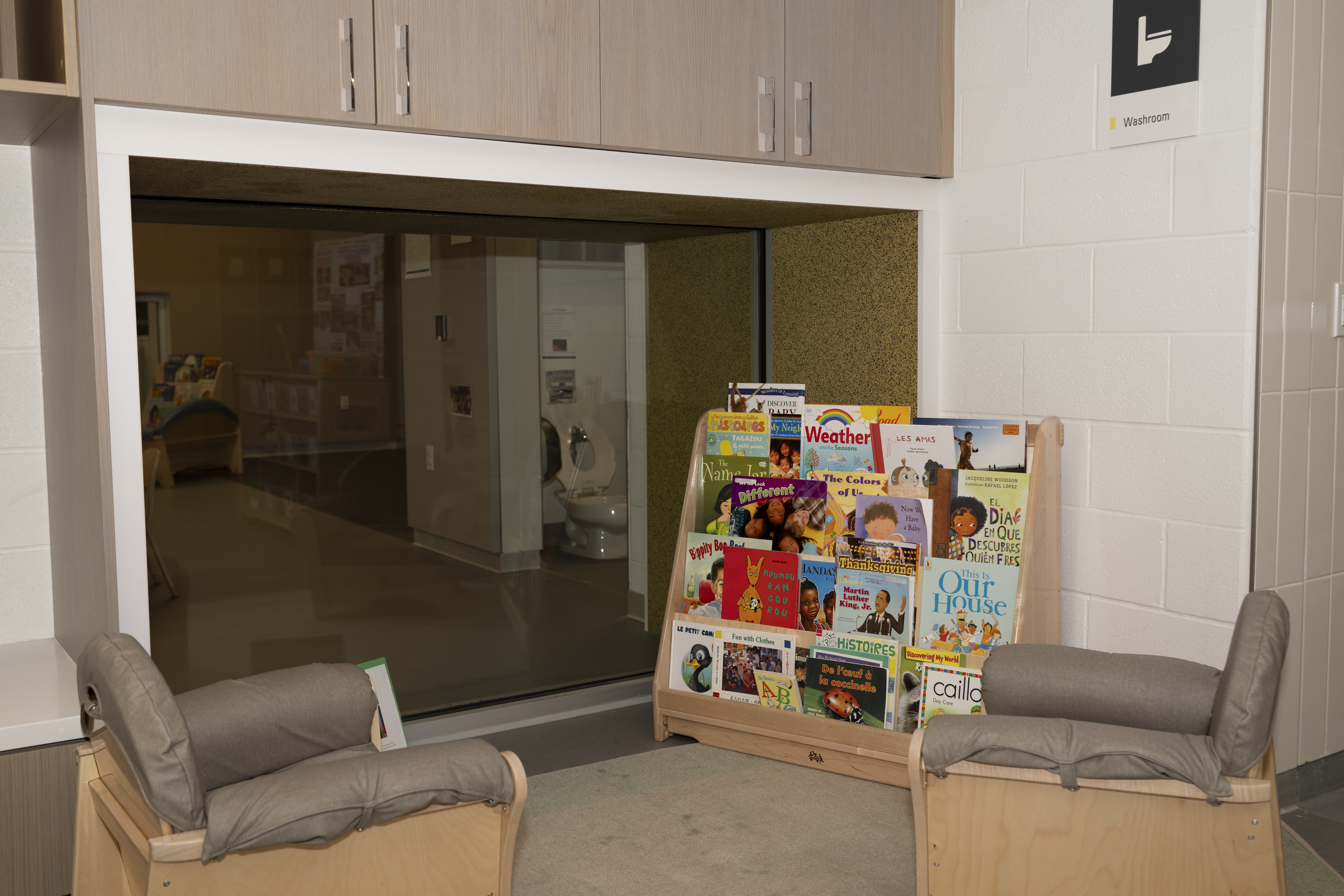
Our toddler program includes a developmentally appropriate storytelling component that supports early language and literacy development. Through daily storytelling experiences, educators use picture books, puppets, songs, props, and interactive storytelling techniques to engage children in meaningful ways.
Storytelling encourages:
- Vocabulary expansion and early communication skills
- Listening and attention skills
- Imagination and creativity
- Emotional expression and understanding
Storytelling activities to meet the developmental stage of each child, encouraging participation through gestures, sounds, repetition, and simple words. Storytelling is integrated naturally into the daily routine, supporting toddlers’ growing curiosity and love for books and stories.
 |
 |
 |
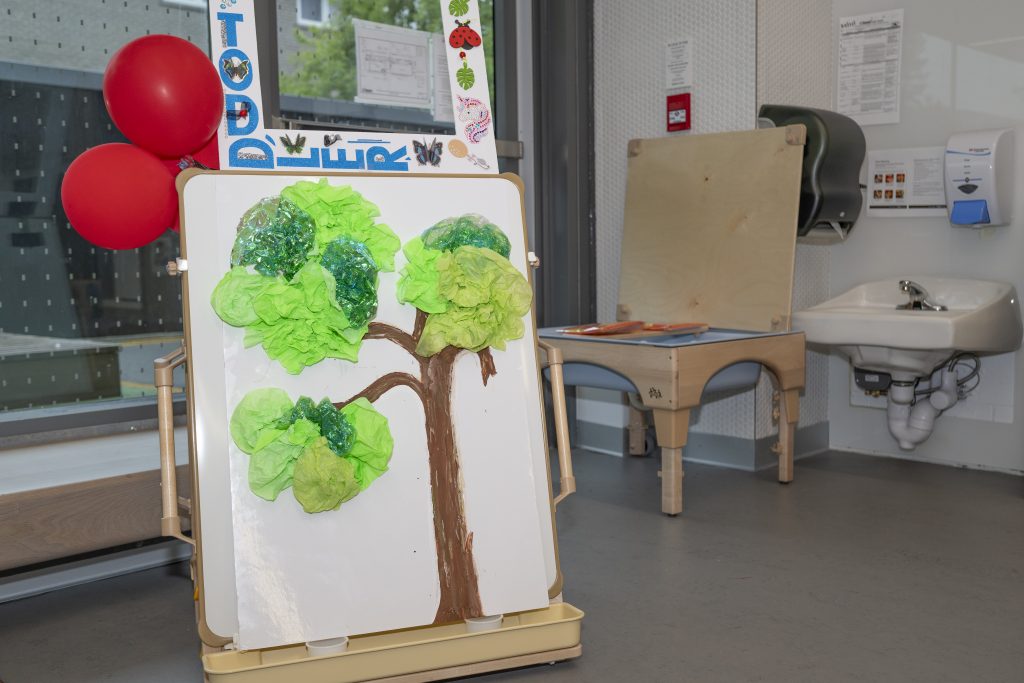
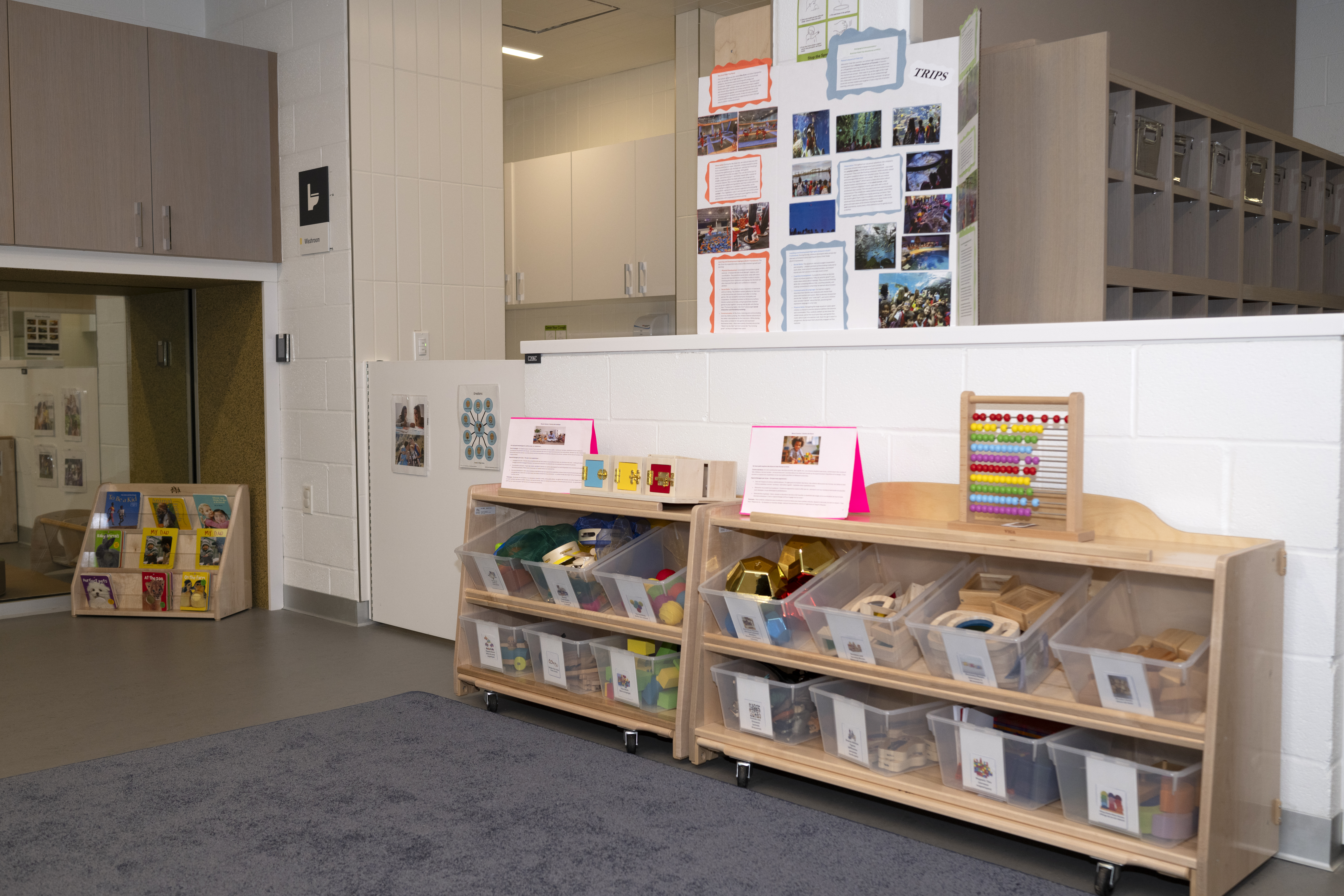
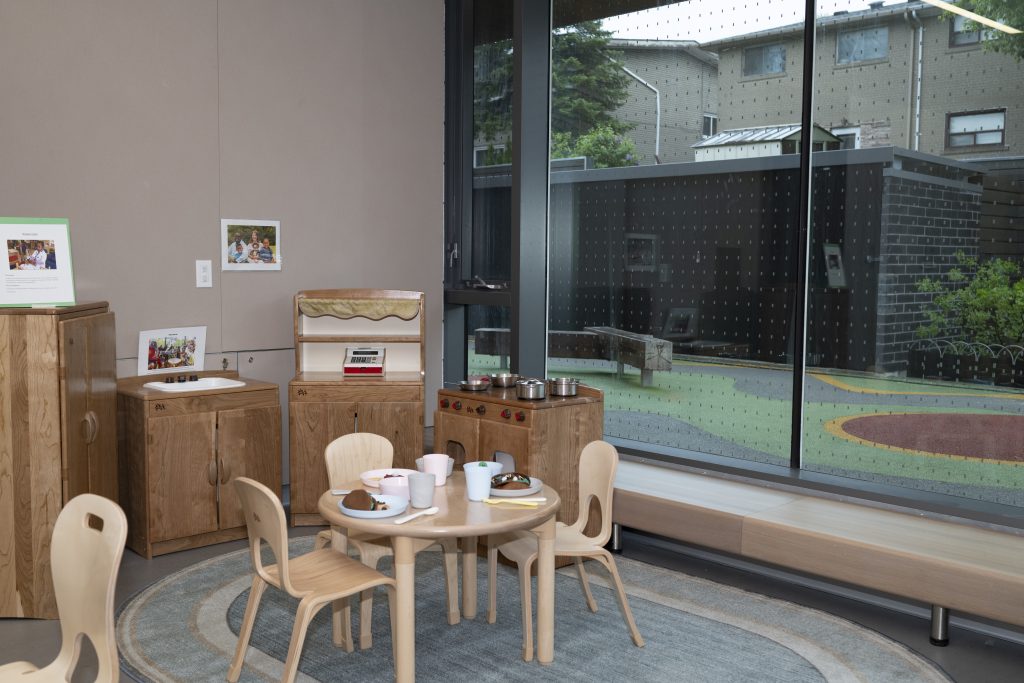
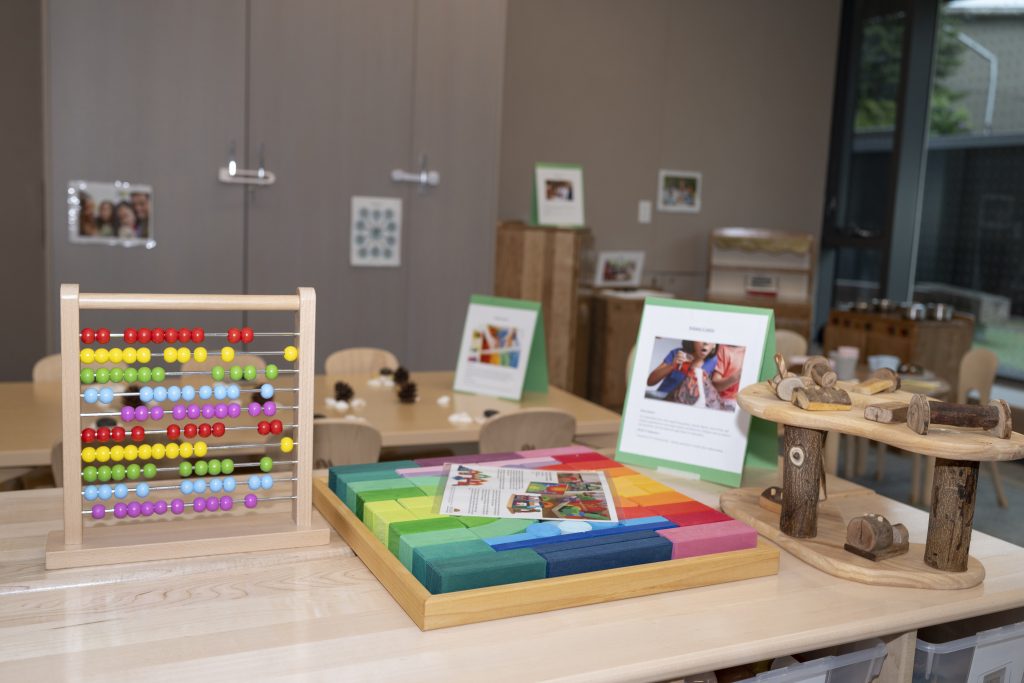 |
 |
 |
 |
 |
 |
Preschool (2.5 years to 4 years)
Class Capacity
16 toddlers
Staffing Ratio
1 educator for every 8 children
Each preschool classroom is supervised by a minimum of two educators, with at least one educator qualified or recognized in accordance with regulatory requirements. All staff members hold valid First Aid and CPR certification and have successfully completed a criminal background check.
Areas of Development
Preschool-aged children actively explore their world by observing, listening, touching, and experimenting as they work to make sense of their surroundings. In our preschool program, educators observe, interact with, and interpret children’s interests to plan meaningful activities and investigations that encourage deeper thinking, curiosity, and discovery.
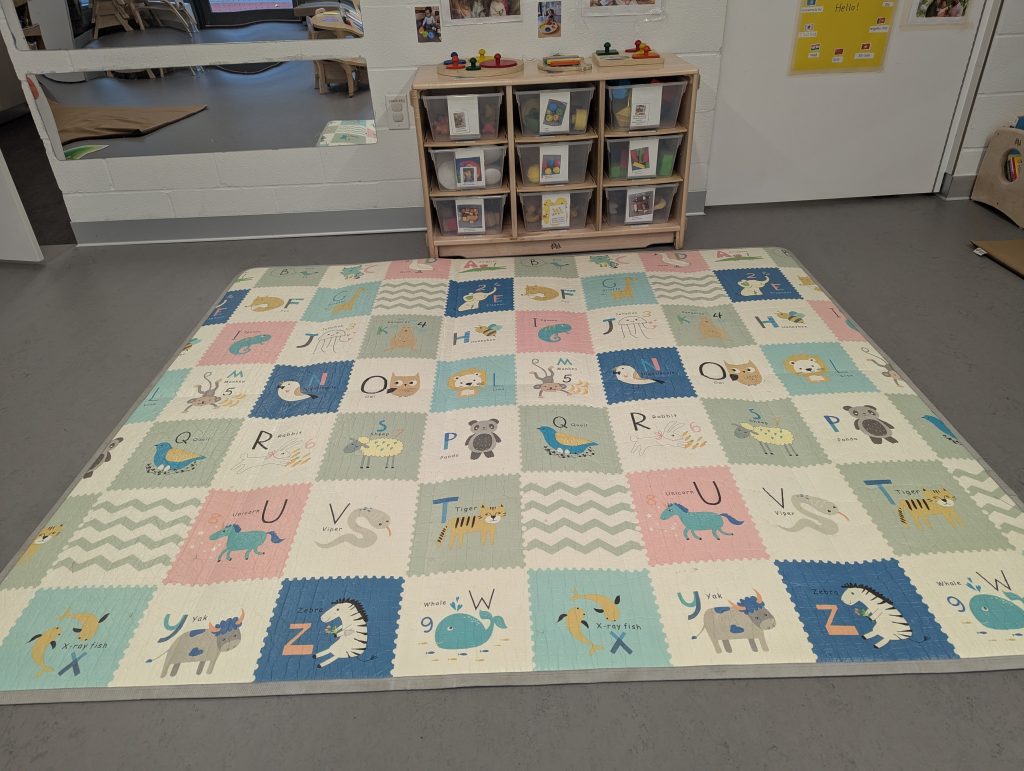
Our preschool program offers foundational learning experiences in a structured, engaging, and developmentally appropriate environment. The program supports growing autonomy while emphasizing cognitive development, including early number and letter recognition, introduced through hands-on experiences such as puzzles, games, and pre-literacy activities.
The program also provides a strong foundation for developing independence, problem-solving skills, and the ability to integrate new concepts into children’s understanding of the world. Educators intentionally promote cooperation, sharing, and mutual respect. Through consistent routines and responsive guidance, children build confidence and competence in their classroom and are well prepared for the transition to kindergarten.
Reading, Writing, and Early Literacy
Our reading and writing program introduce children to the alphabet while strengthening phonological awareness. The program is grounded in multi-sensory learning principles and incorporates four key learning approaches:
- Visual: recognizing letters and symbols
- Auditory: listening to and identifying letter sounds
- Kinesthetic: forming letters through movement (e.g., sky writing)
- Tactile: exploring letter formation using sensory materials such as sand or textured trays
This program is informed by early childhood research on phonics and phonological awareness and supports early literacy development in a playful, engaging, and age-appropriate manner.
Storytelling Program
Storytelling is an integral part of our preschool curriculum and supports language development, early literacy, imagination, and social-emotional learning. Educators engage children in daily storytelling experiences using picture books, puppets, props, songs, and interactive discussions.
Through storytelling, children are encouraged to:
- Expand vocabulary and expressive language
- Develop listening and comprehension skills
- Express emotions and ideas
- Build imagination and narrative thinking
Storytelling activities are adapted to children’s developmental stages and interests, encouraging participation through conversation, prediction, retelling, and role play. These experiences foster a love of books and storytelling while strengthening foundational literacy skills.
Extra-Curricular
At Petit Pearson Childcare Centre (PPCC) and Ethennonnhawahstihnen’ Childcare Centre (ENWN), extra-curricular and enrichment experiences are an important extension of our daily program. These experiences are designed to complement our play-based curriculum by offering children additional opportunities to explore their interests, develop new skills, and build confidence in a supportive and engaging environment.
Extra-curricular experiences are available to children across all age groups, including Infant, Toddler, Preschool, JK/SK, and School Age programs. All activities are planned with careful consideration of each child’s developmental stage, abilities, and interests.
Scheduling and Program StructureJK/SK and School Age Programs
Structured extra-curricular activities are offered on a weekly basis after 3:30 PM.
Infant, Toddler, and Preschool Programs
For younger children, enrichment experiences are embedded within the daily program.
Types of Enrichment Experiences
Our extra-curricular offerings may include, but are not limited to:
- Leadership and Life Skills
- Chess and Strategic Games
- Physical Activities (Sportball, Soccer, Karate, Movement Programs)
- Creative Arts and Expression
- Science and Exploration
- Coding and Robotics
Educational Programs
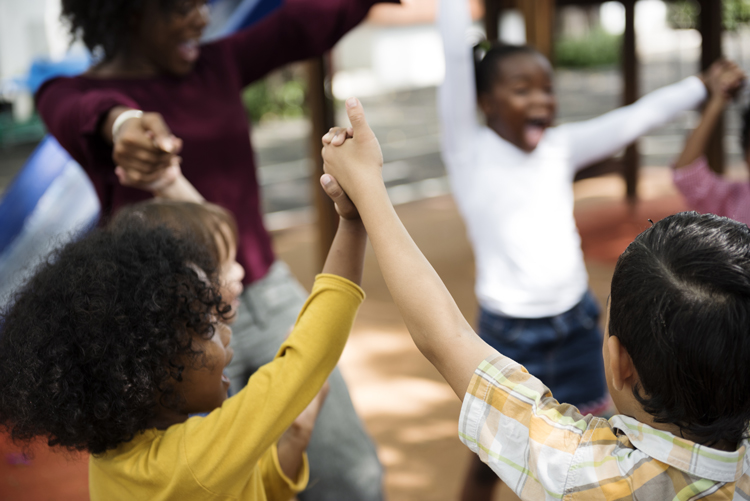
Ethennonnhawahstihnen’ Childcare Centre adheres to the Ontario government’s educational program entitled “Comment apprend-on” as well as le JEU.